19th Century Foundations
Realism & Impressionism
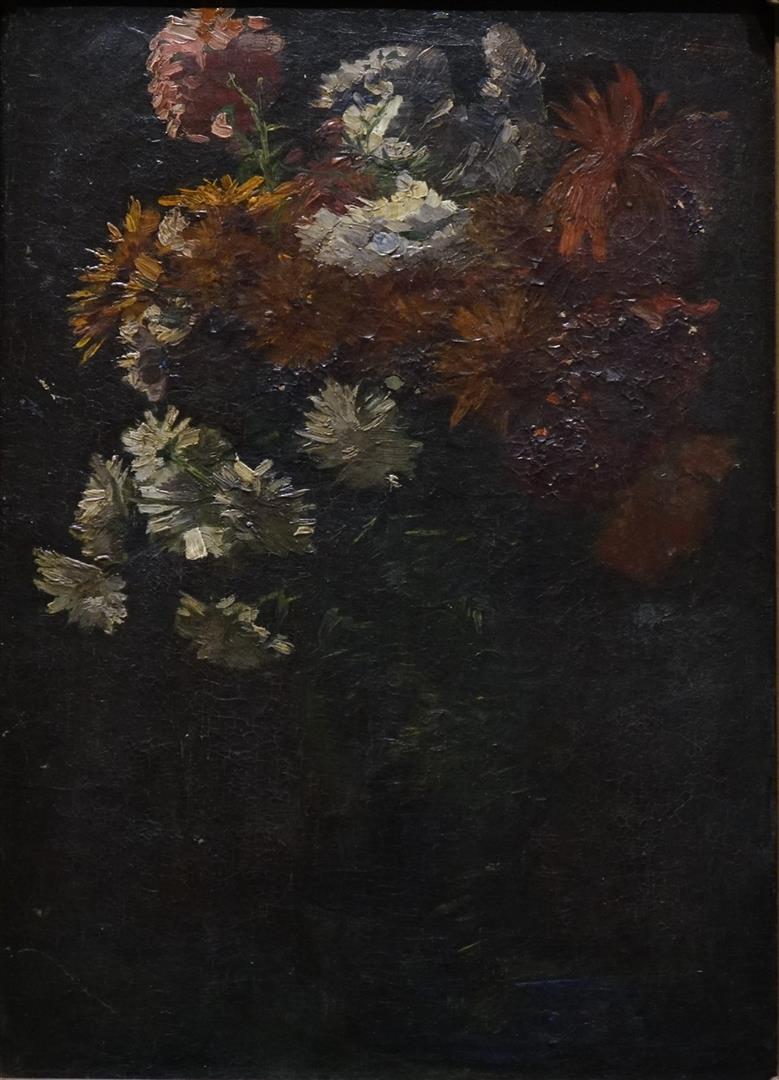
Anna Adelaide Abrahams
1849-1948
Dutch still-life painter known for her refined flower and fruit compositions.
Trained at the Royal Academy in The Hague and exhibiting internationally, her work epitomises late 19th-century floral virtuosity within the Dutch tradition.
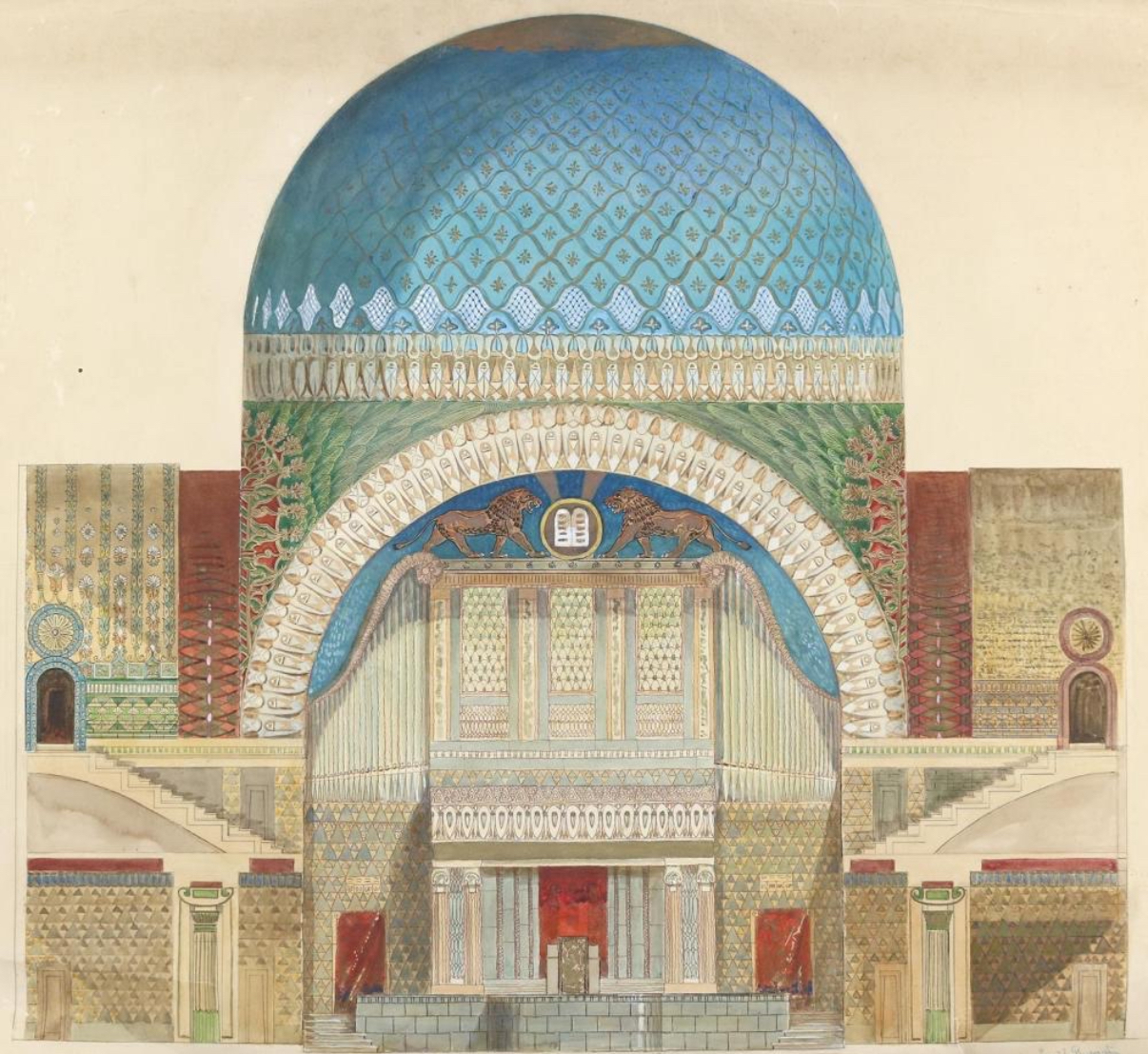
Emil Rumpf
1860-1948
German painter and illustrator, born in Frankfurt am Main, active in the Kronberger Malerkolonie.
Trained in Düsseldorf and Karlsruhe, he is known for finely observed figure and animal studies as well as illustrative works that bridge late 19th-century realism and early modern sensibilities.
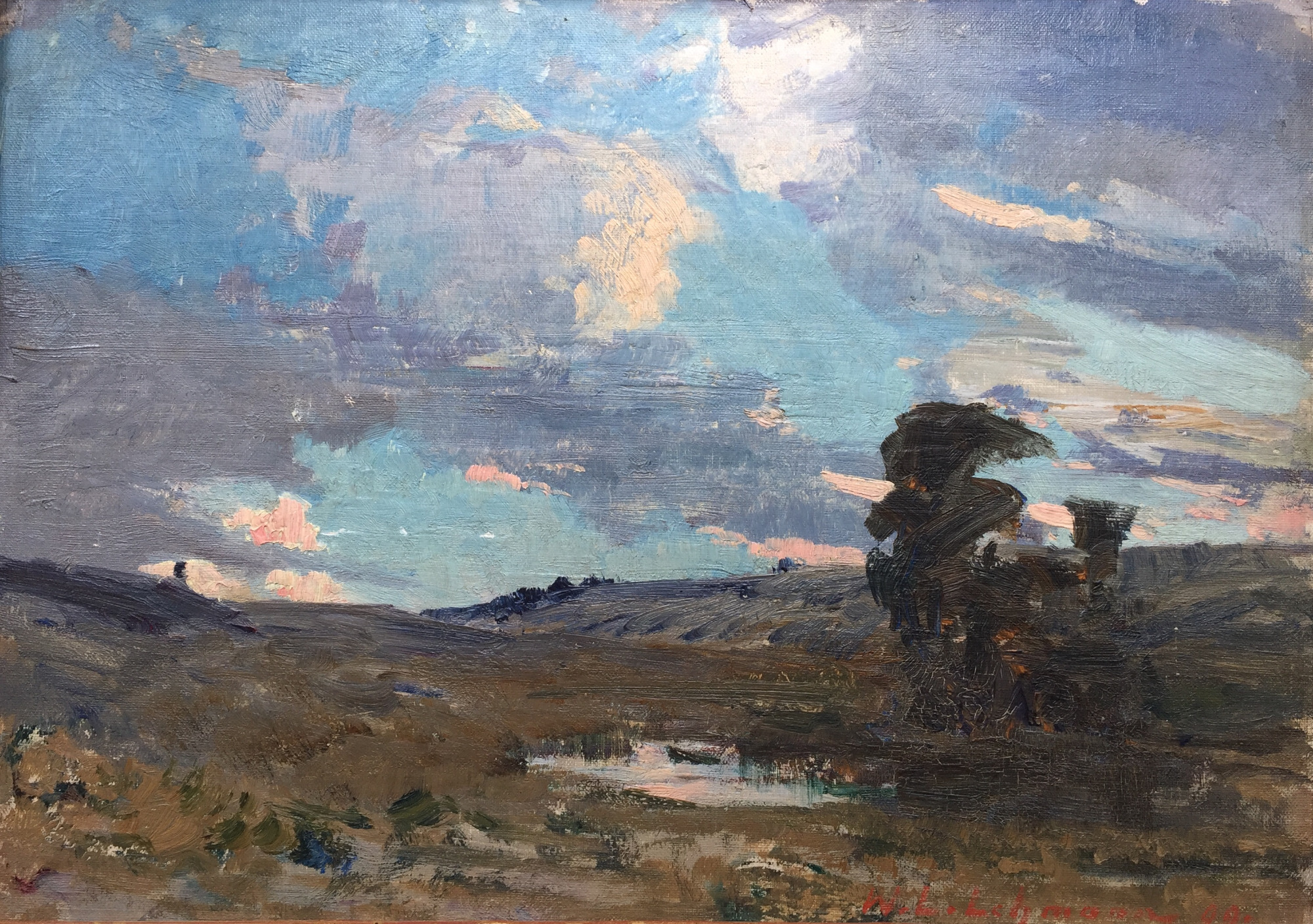
Wilhelm Ludwig Lehmann
1865-1951
Swiss landscape painter born in Zürich, active in the late 19th and early 20th centuries. He studied architecture and painting in Zürich, Paris and Munich, became a member of the Munich Secession, and is noted for his plein-air scenes of Swiss landscapes (e.g., Davos) as well as public murals in Swiss institutional buildings.
His work combines Impressionist clarity of light with a subtle romantic sense of place.
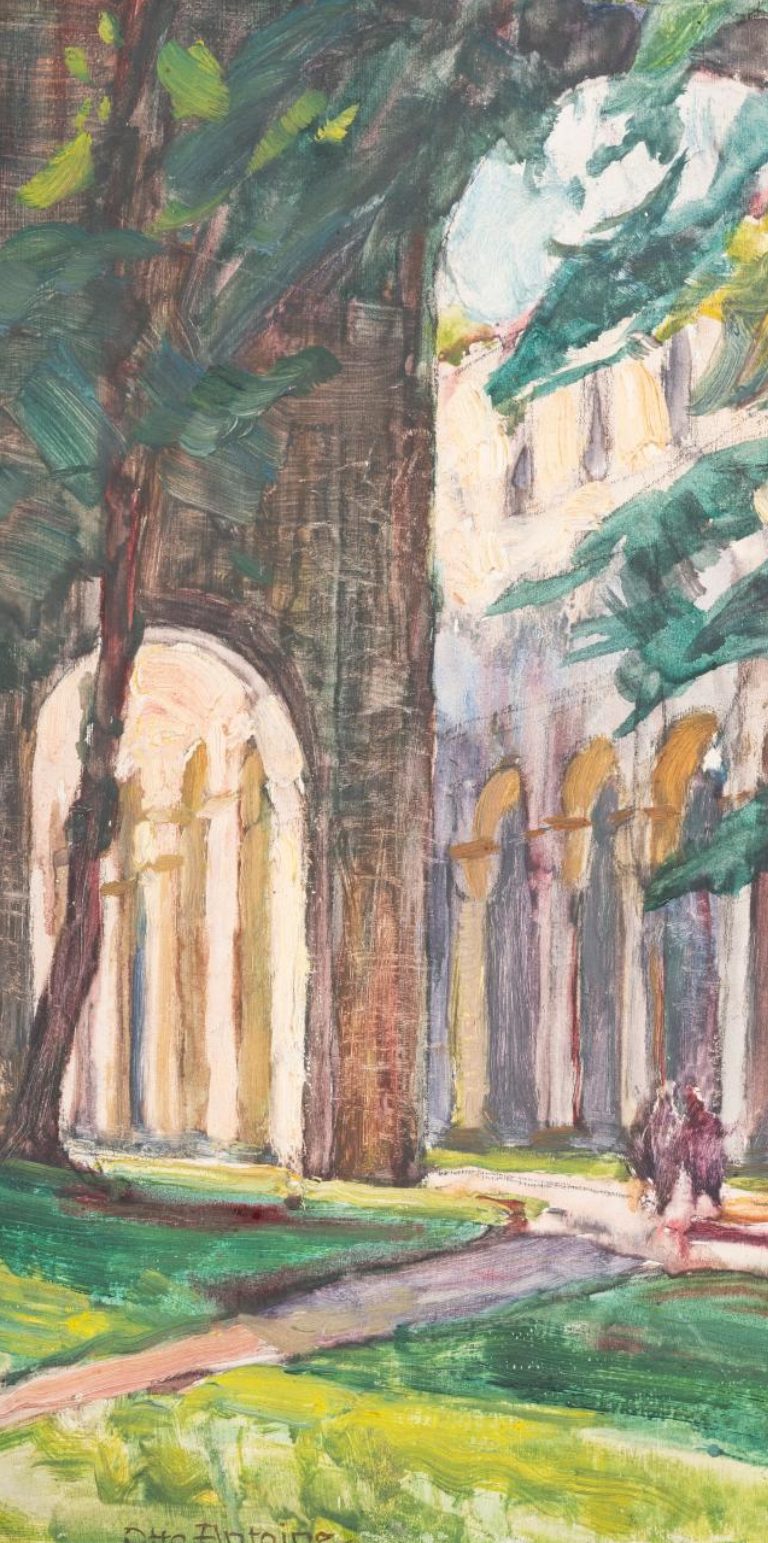
Otto Antoine
1865-1951
German impressionist painter celebrated for his urban landscapes and architectural scenes.
His works capture the atmosphere of early 20th-century Berlin with vibrant light and painterly precision, bridging realism and impressionism.
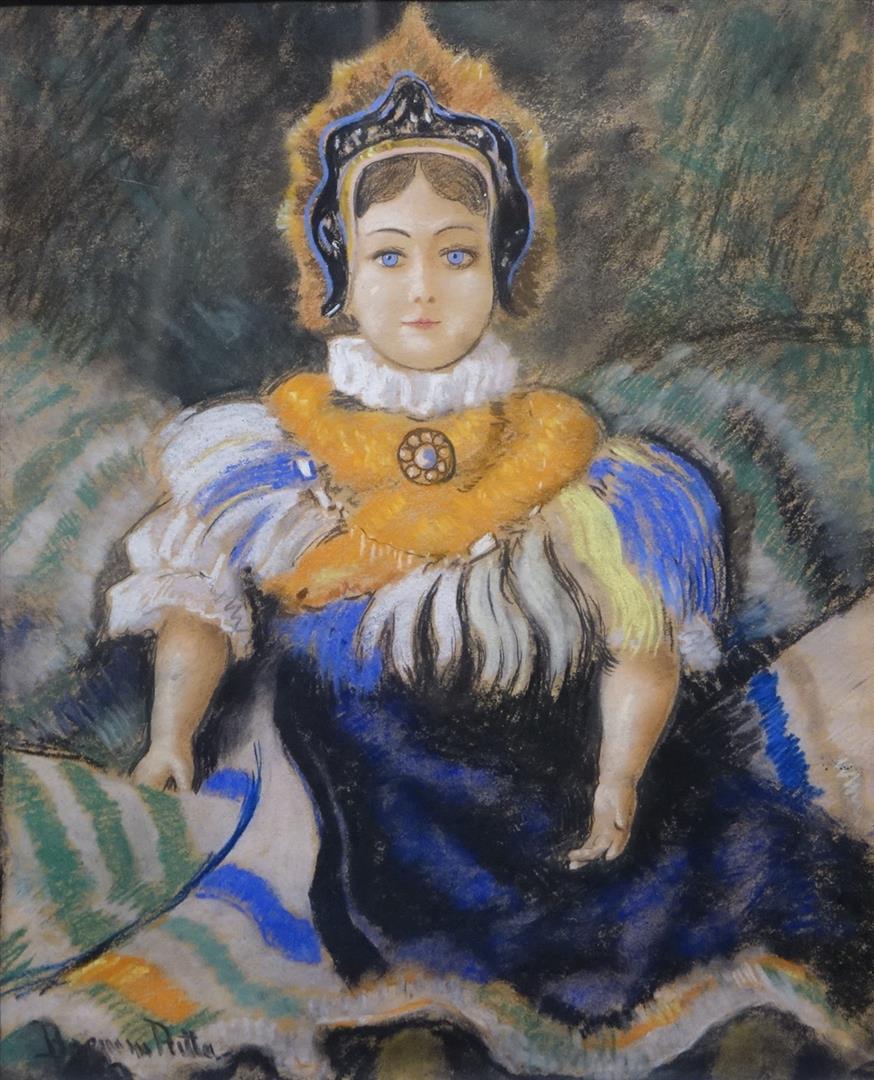
Rita Boemm
1868-1948
Hungarian painter noted for still lifes, figures and interior scenes, active in the late 19th and early 20th centuries.
Her refined technique and atmospheric colouring place her work in the tradition of women painters navigating academic and modernist spheres.
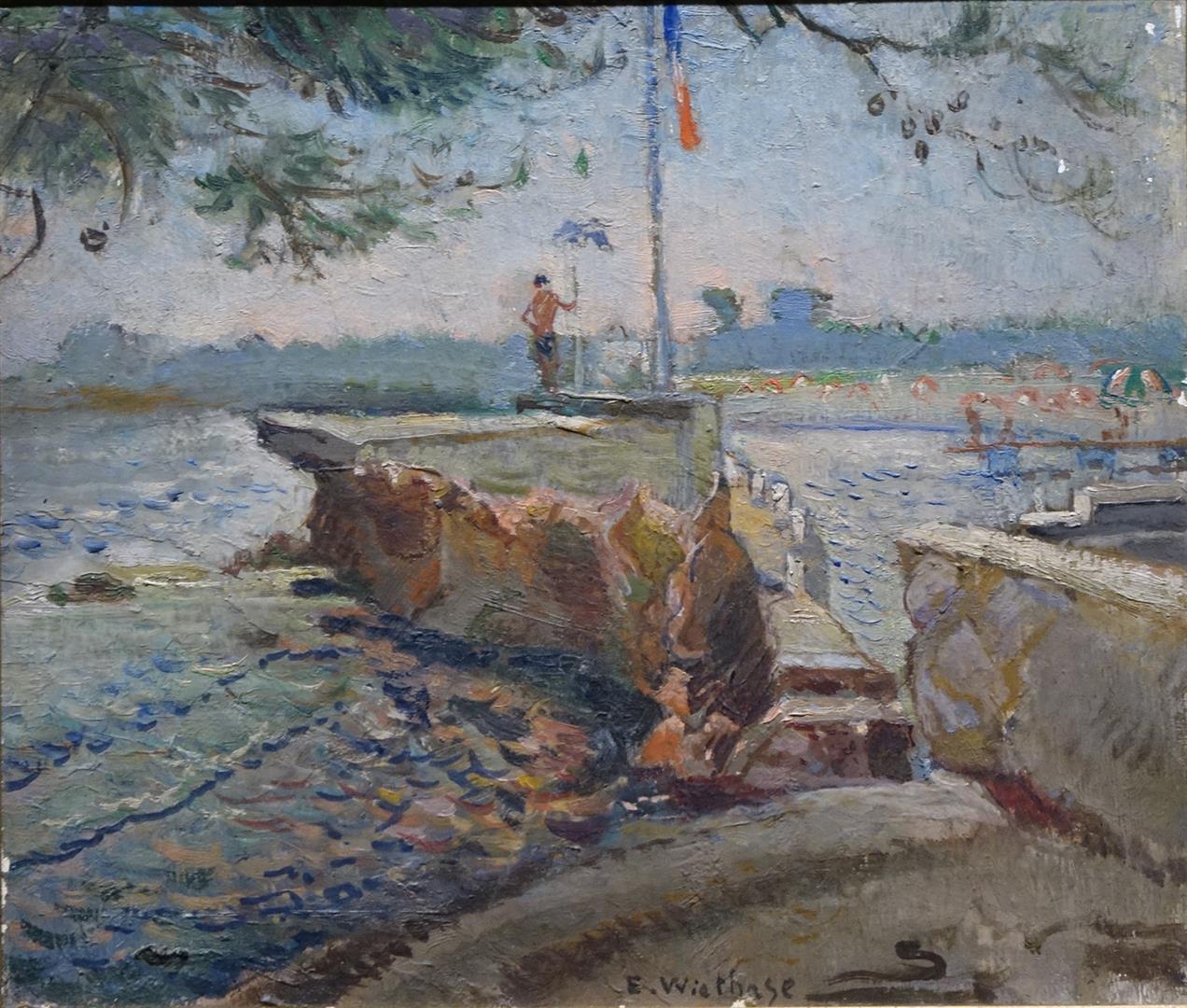
Edgard Wiethase
1881-1965
Belgian impressionist painter known for his radiant landscapes and serene city views.
His paintings capture the subtle interplay of light and atmosphere, uniting delicate color harmonies with the quiet poetry characteristic of Belgian Impressionism.
Early Modernism & Symbolism
Turn of the Century
Ludwig von Hofmann
Josef Hofmann
Austrian painter associated with the late Secessionist and early modernist movements.
His work reflects the refined color sensibility and compositional balance characteristic of Vienna’s interwar art scene.
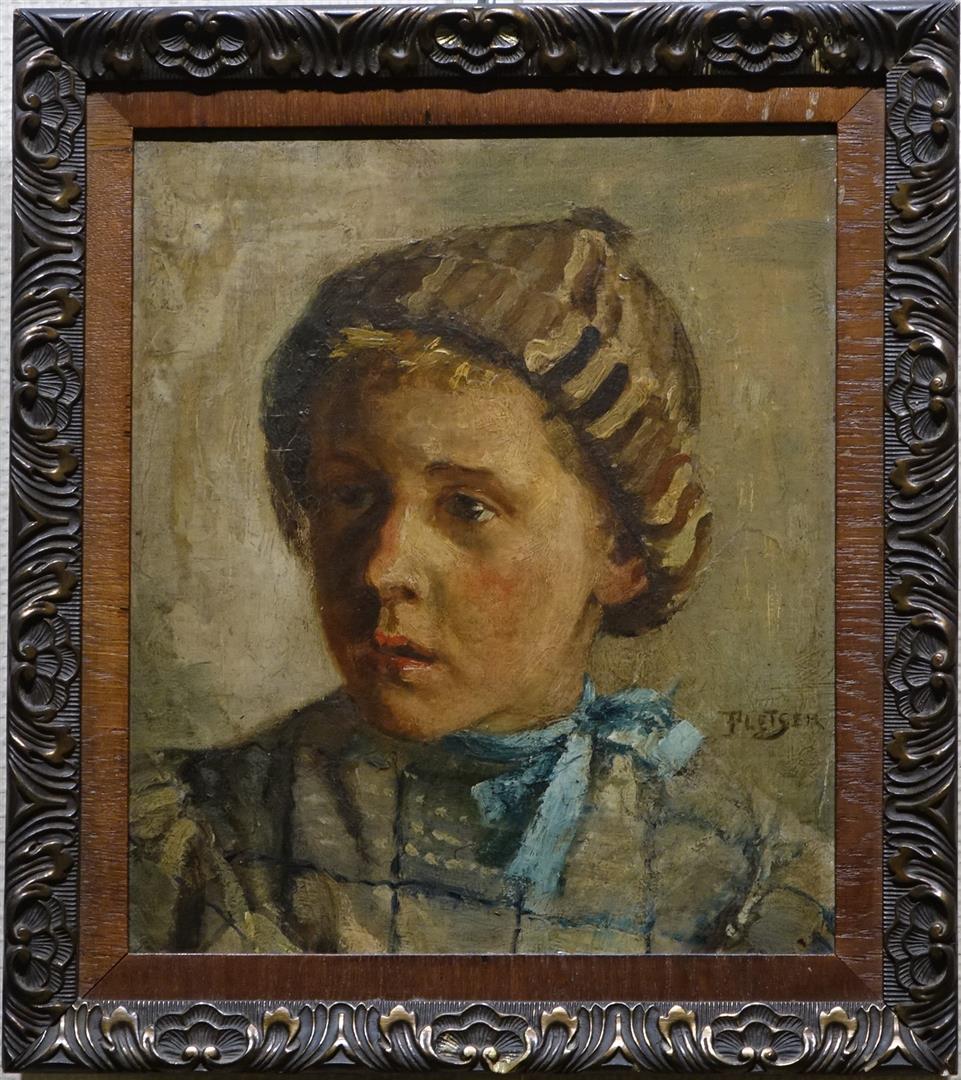
Georg Pletser
1899-1985
Belgian painter active in the interwar period.
His works range from urban scenes to luminous landscapes, marked by vibrant brushwork and a restrained impressionist touch characteristic of Belgian modernism.
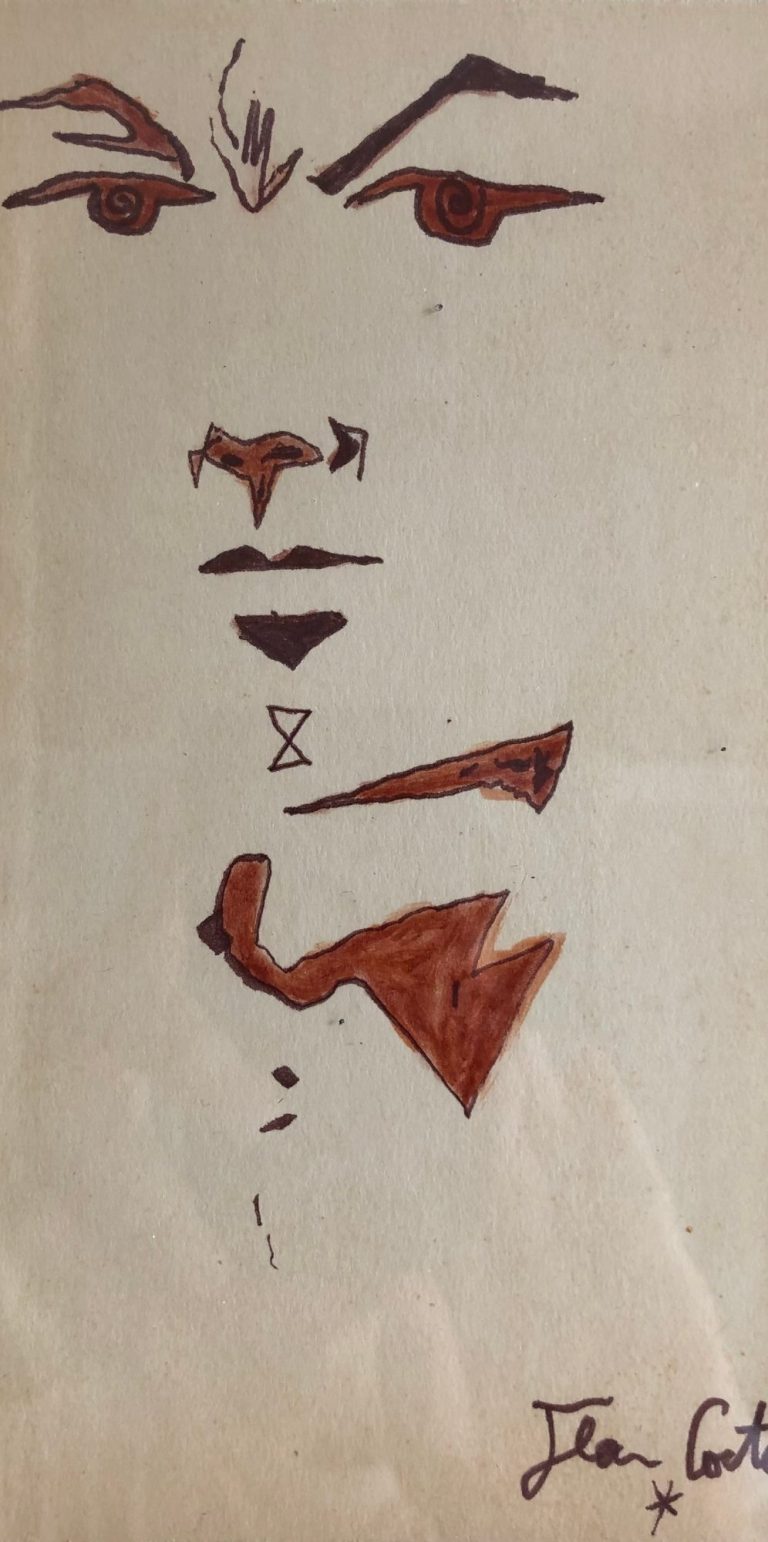
Jean Cocteau
1889-1963
Expressionism & Post-War Modernism
From Dutch Modernism to undervalued Female Artists
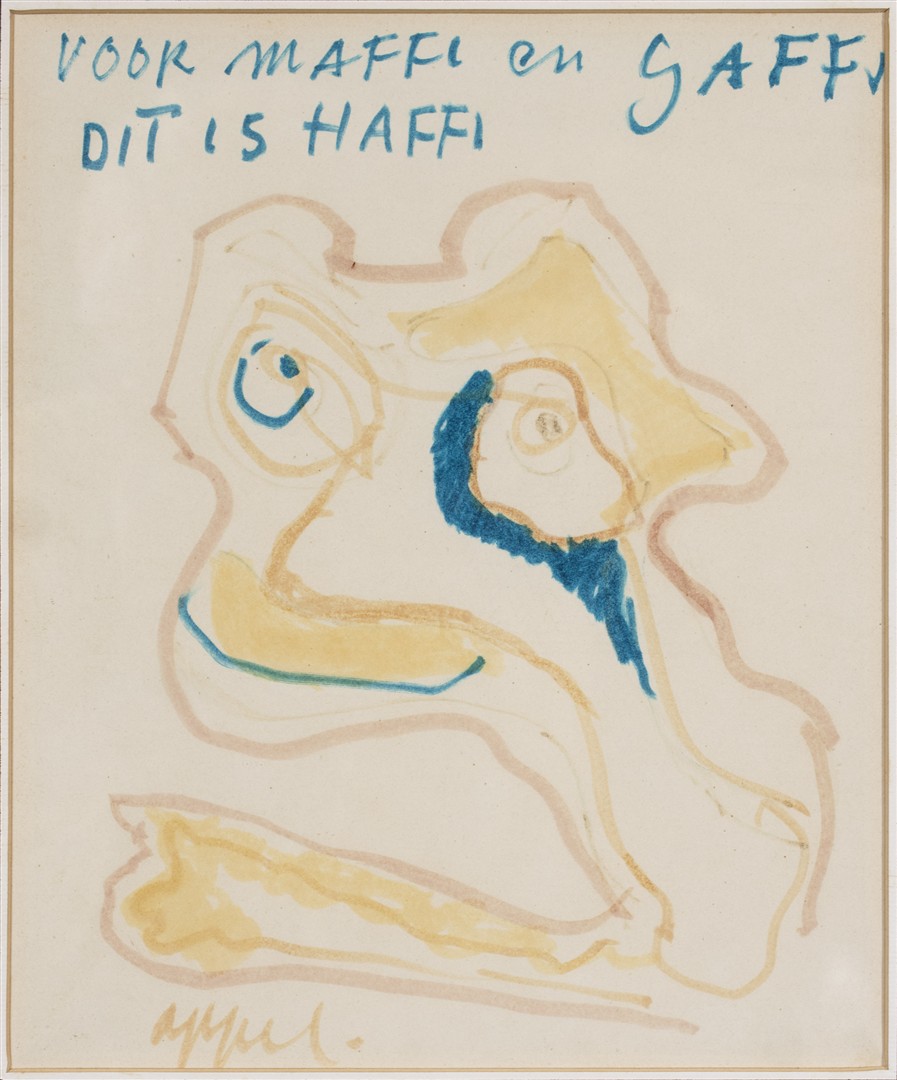
Karel Appel
1921-2006
Dutch painter and sculptor, co-founder of the avant-garde group CoBrA.
Known for his expressive, colorful, and spontaneous style, Appel challenged postwar conventions with a raw energy that bridged childlike freedom and emotional intensity.
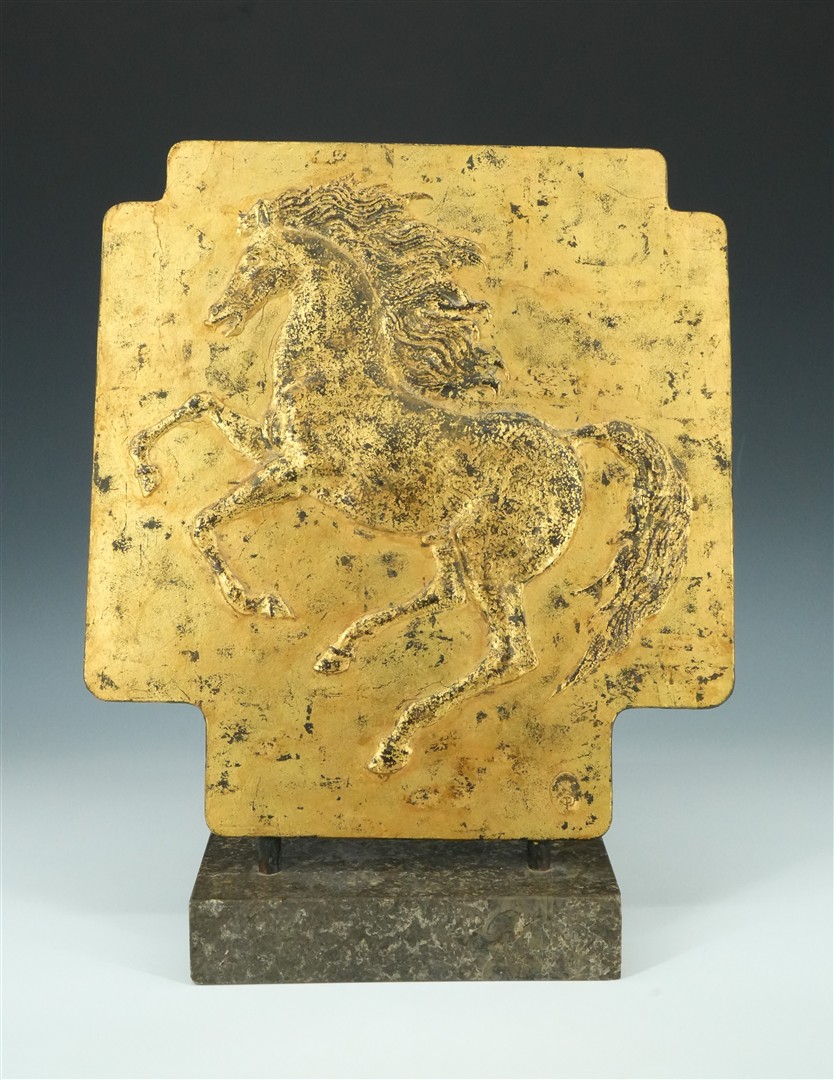
Pieter Starreveld
1911-1989
Dutch sculptor and medalist known for his monumental public works.
Starreveld’s sculptures blend classical form with modern simplicity, celebrating human dignity and spiritual resilience in postwar Netherlands.
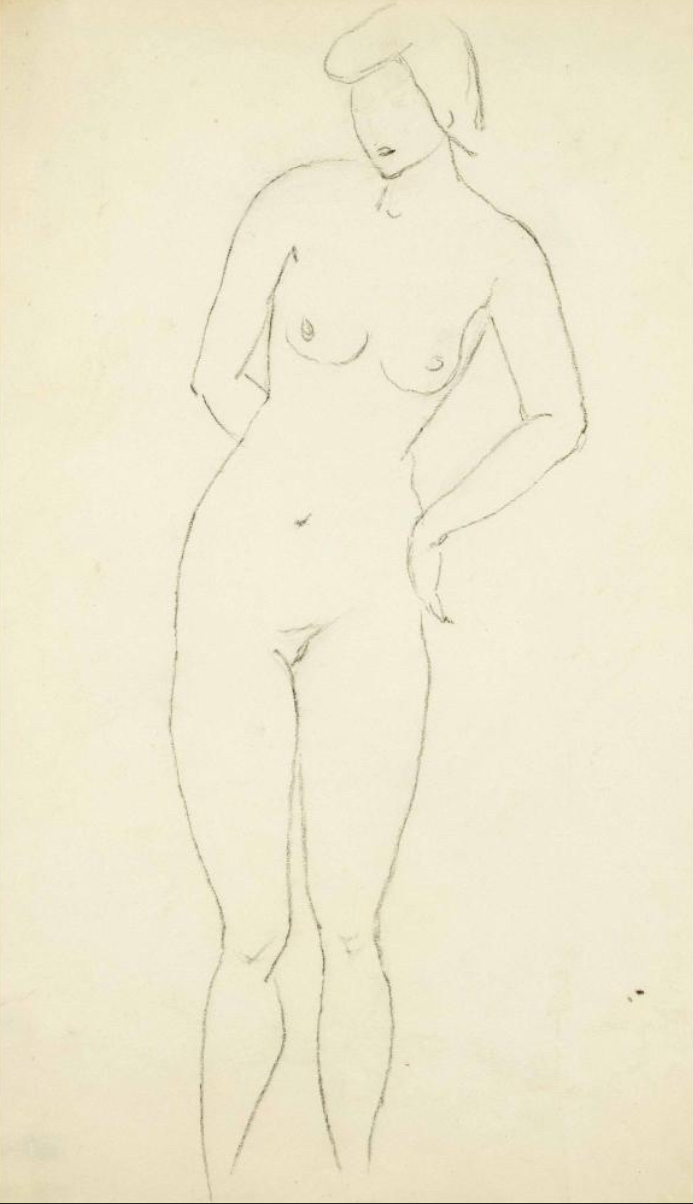
Karl Hemmerlein
1906-1970
German painter associated with late impressionism and regional realism.
His landscapes and still lifes reveal a delicate observation of nature, characterized by soft light, earthy tones, and a quiet lyrical atmosphere.
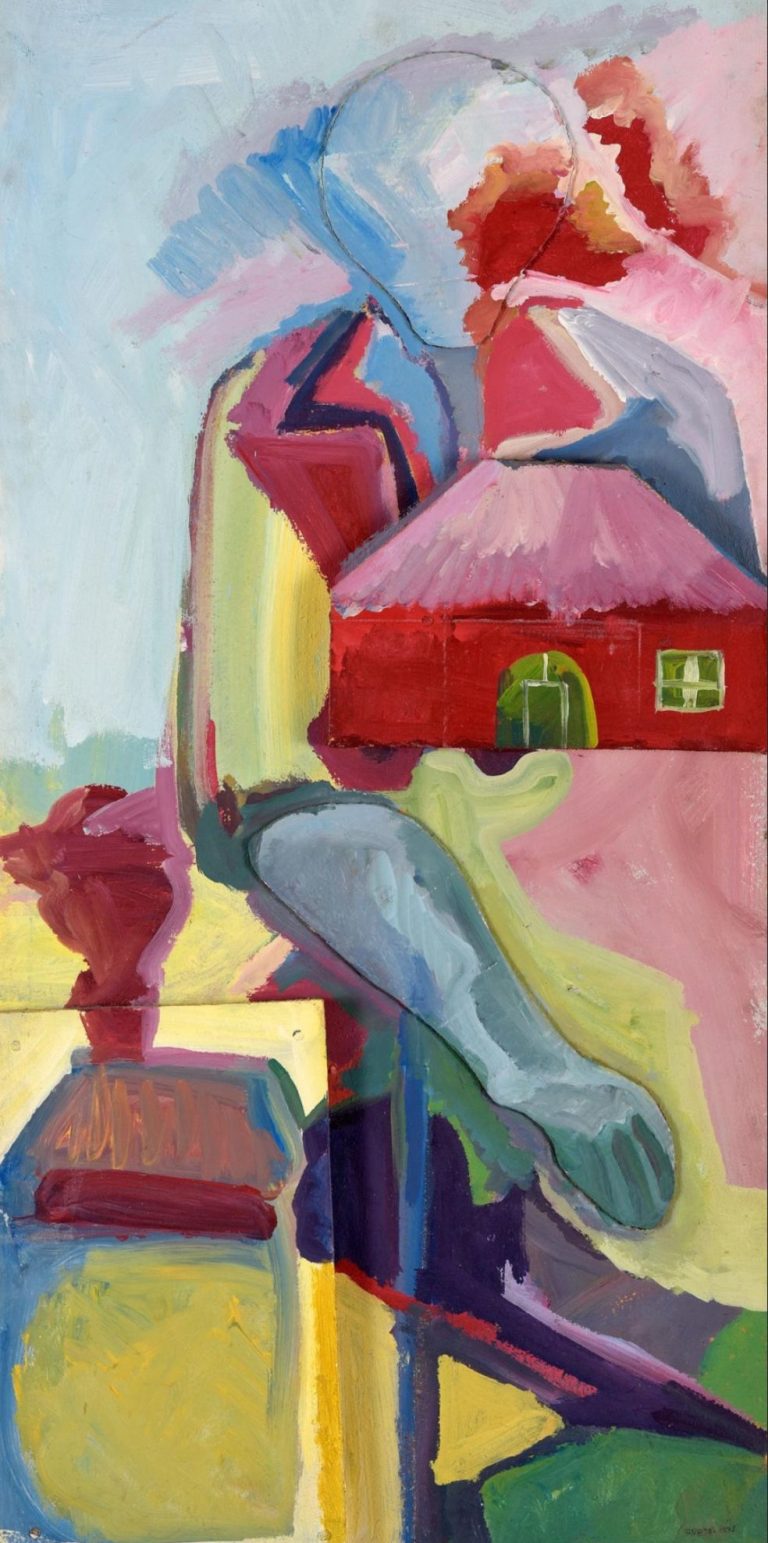
Anatol Herzfeld
1931-2019
German sculptor and performance artist, student of Joseph Beuys at the Kunstakademie Düsseldorf.
Working primarily in iron and wood, he explored social and ecological themes, merging political awareness with poetic craftsmanship.
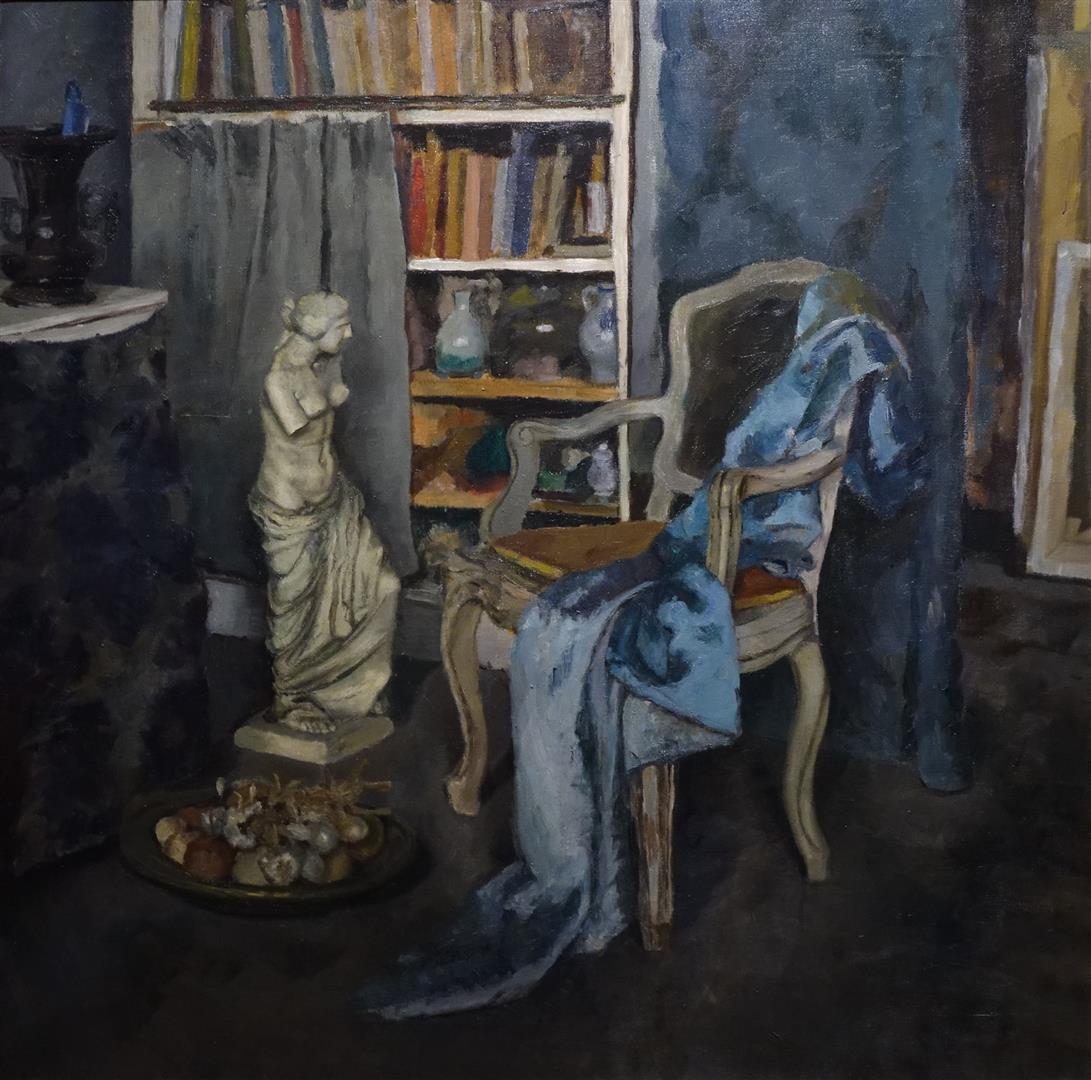
Maria Blans
1945-
Dutch painter and draughtswoman connected to the Hague School of Modernism.
Her art focuses on subtle tonal contrasts and contemplative atmospheres, often blurring the line between figuration and abstraction.
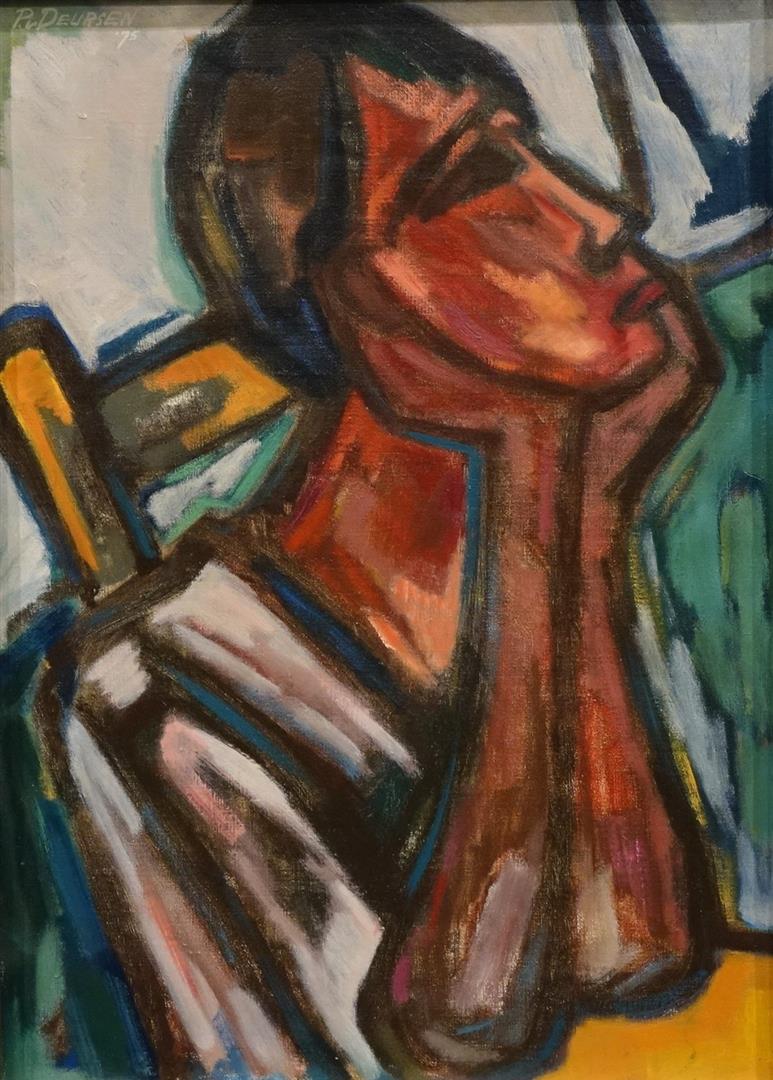
Piet van Deursen
1929-2015
Dutch painter known for his expressive figurative style and rich color palette.
Combining realism with abstract tendencies, his work often explores everyday scenes imbued with emotional depth and compositional harmony.
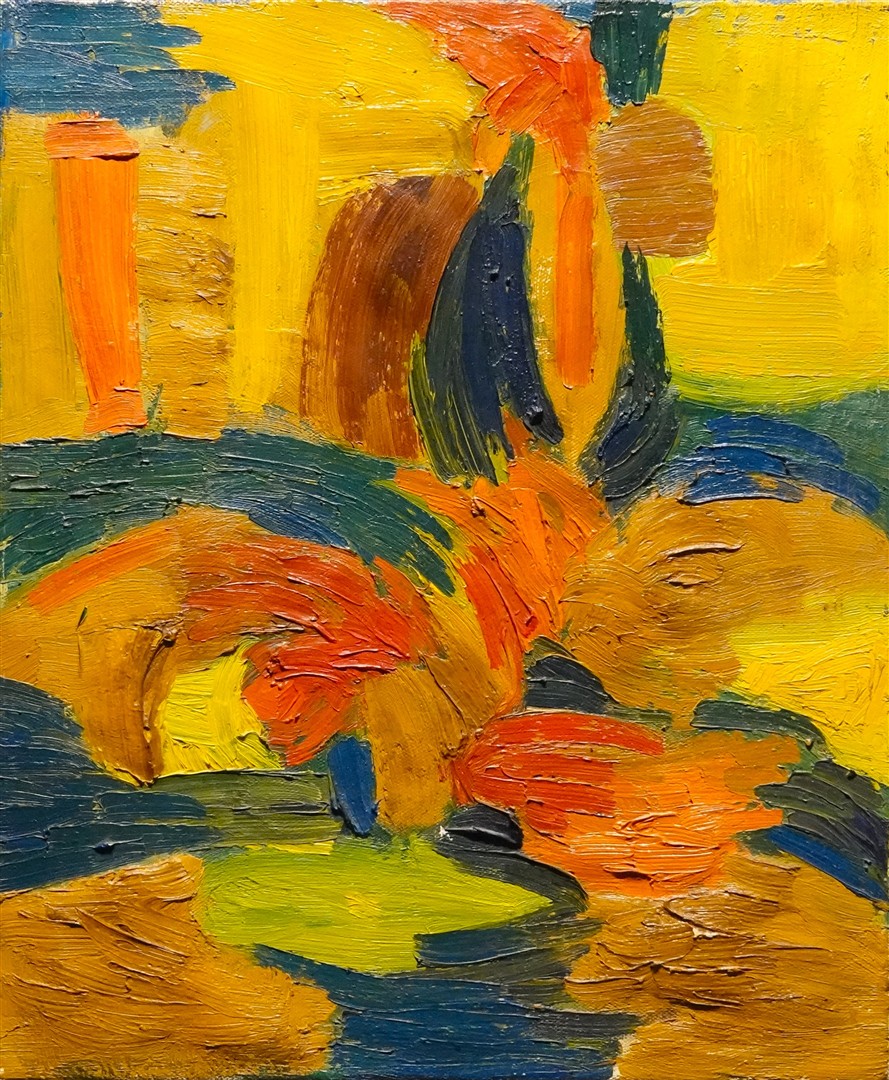
Roel Frankot
1911-1984
Dutch abstract painter linked to the postwar experimental movement.
Influenced by CoBrA aesthetics, he developed a personal language of vibrant color fields and gestural abstraction infused with poetic spontaneity.
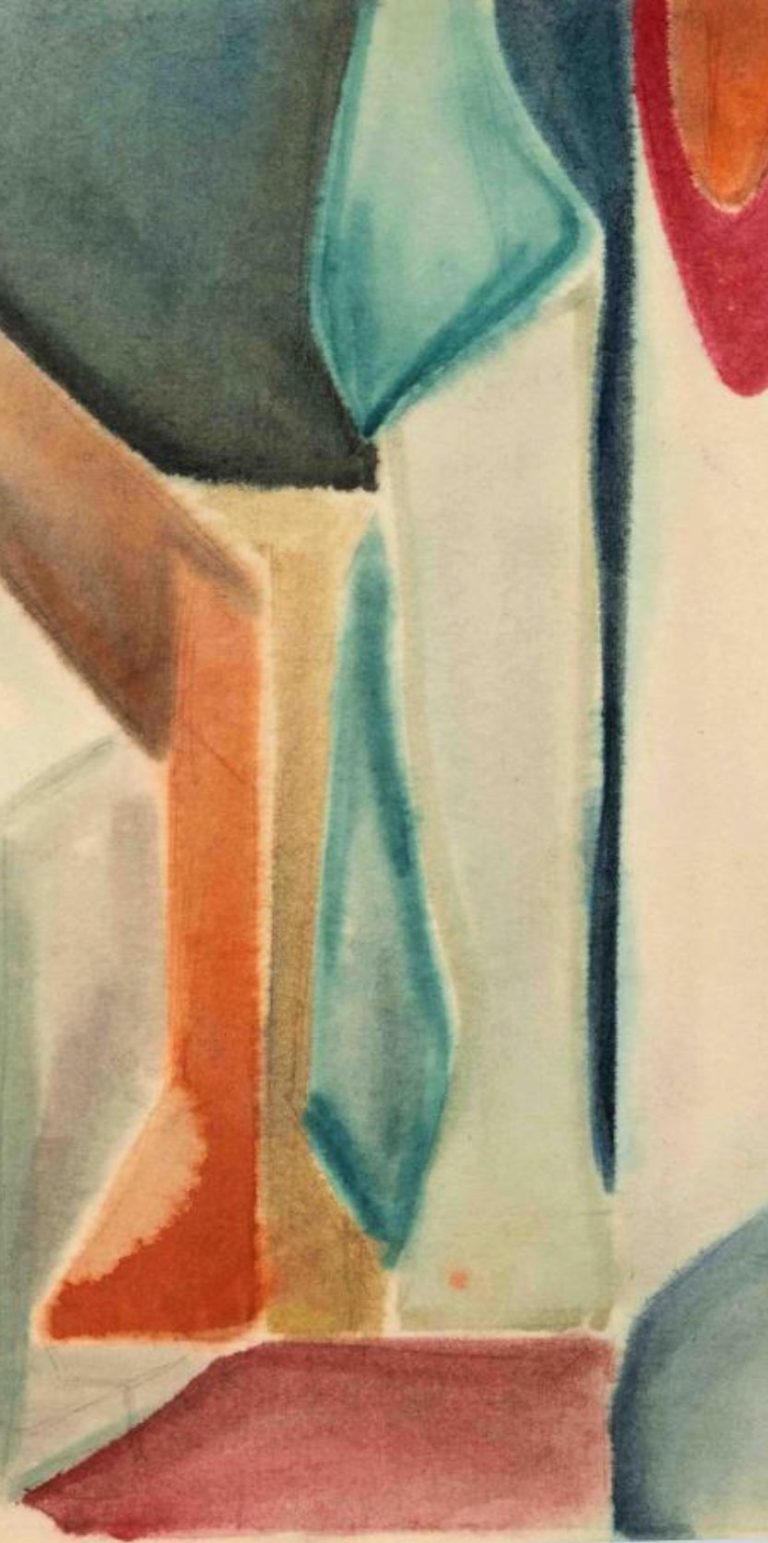
Prof. Dieter Skorupa
1935-2011
German painter and graphic artist rooted in lyrical abstraction.
Skorupa’s work is marked by vivid color fields and rhythmic composition, merging painterly freedom with meditative structure — a dialogue between intuition and form.
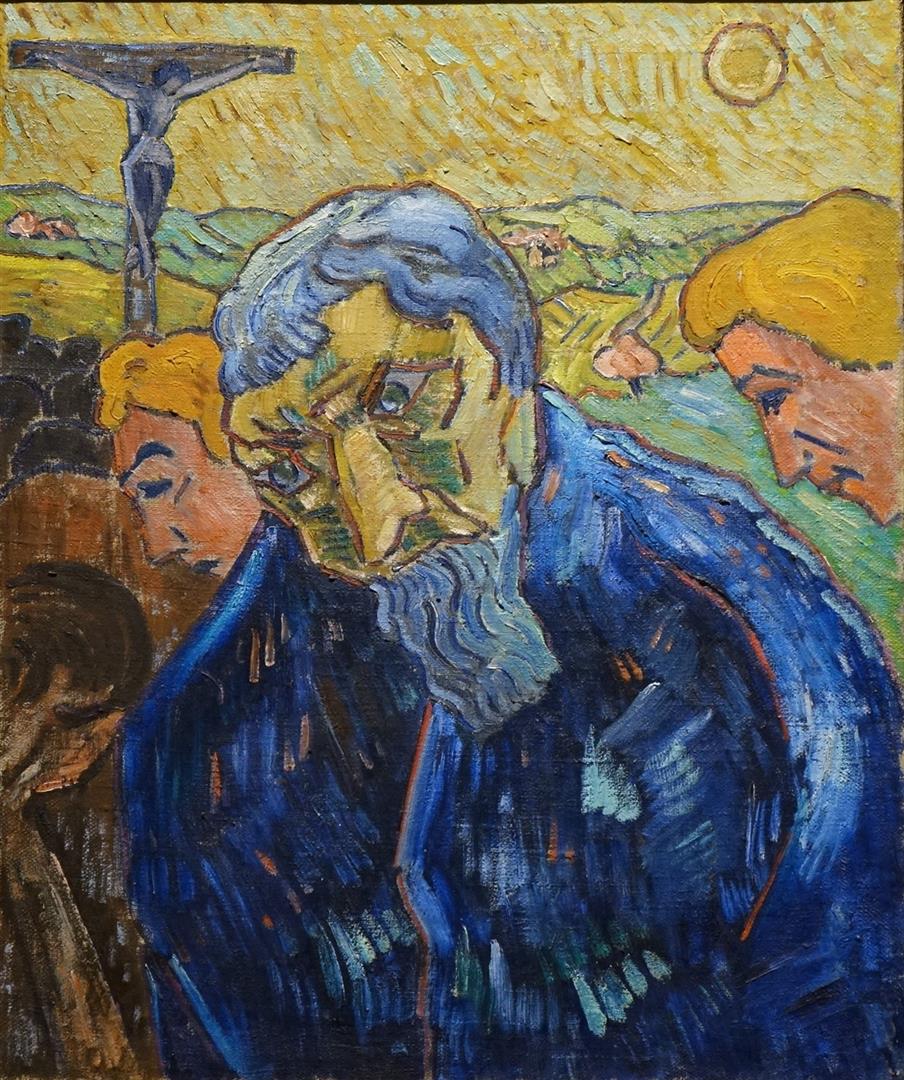
Dutch Expresionist
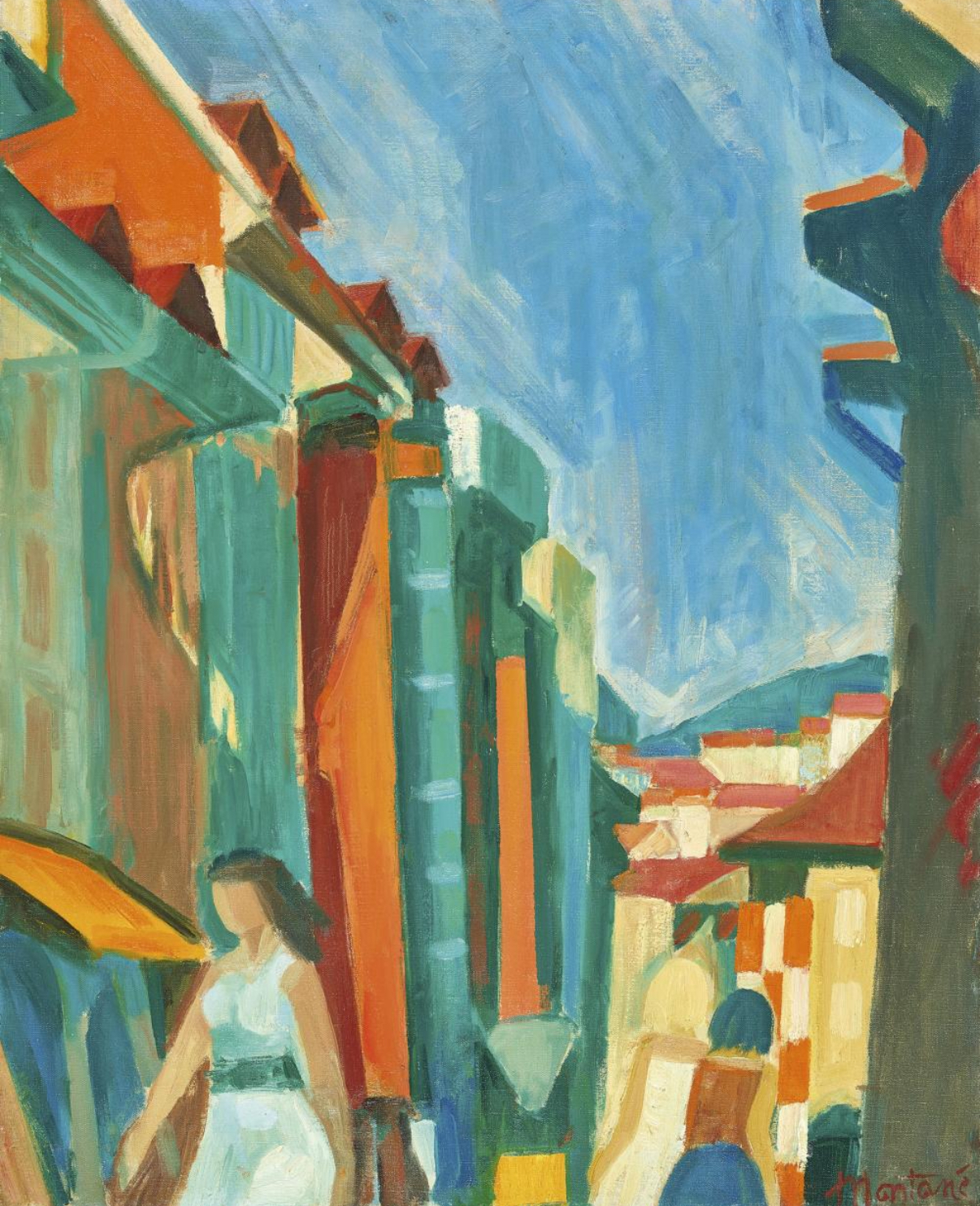
Roger Montané
1916-2002
French painter associated with post-war French Realism.
His work balances gesture and structure, translating emotion into dynamic color compositions that evoke both movement and introspection.
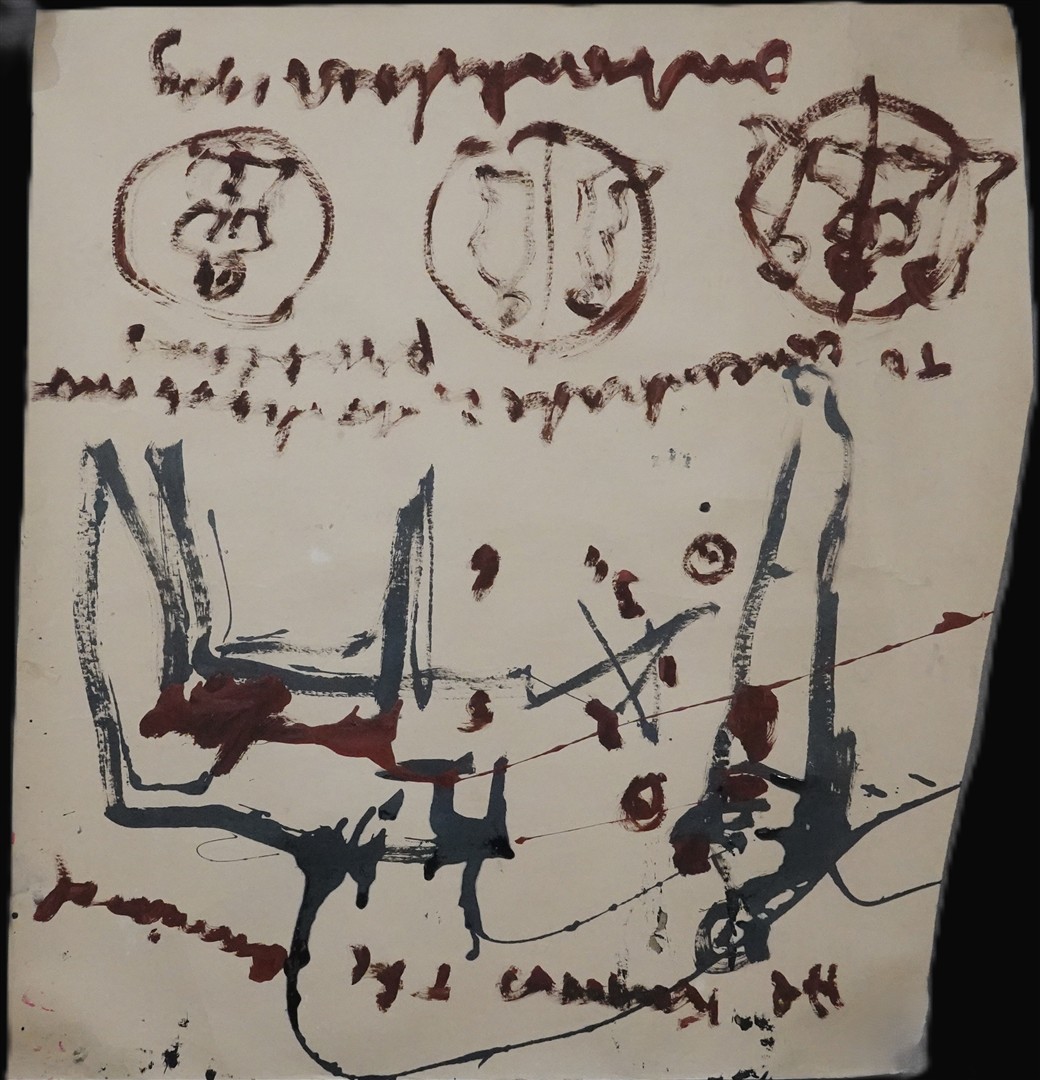
Anton Heyboer
Anton Heyboer developed a deeply personal visual language between CoBrA, Art Brut and spiritual symbolism. His works combine drawing, writing and signs into emotional maps of human existence, memory and freedom. Within the collection, Heyboer represents a raw and radically individual form of postwar modernism.
Libbe Venema
1937-1994
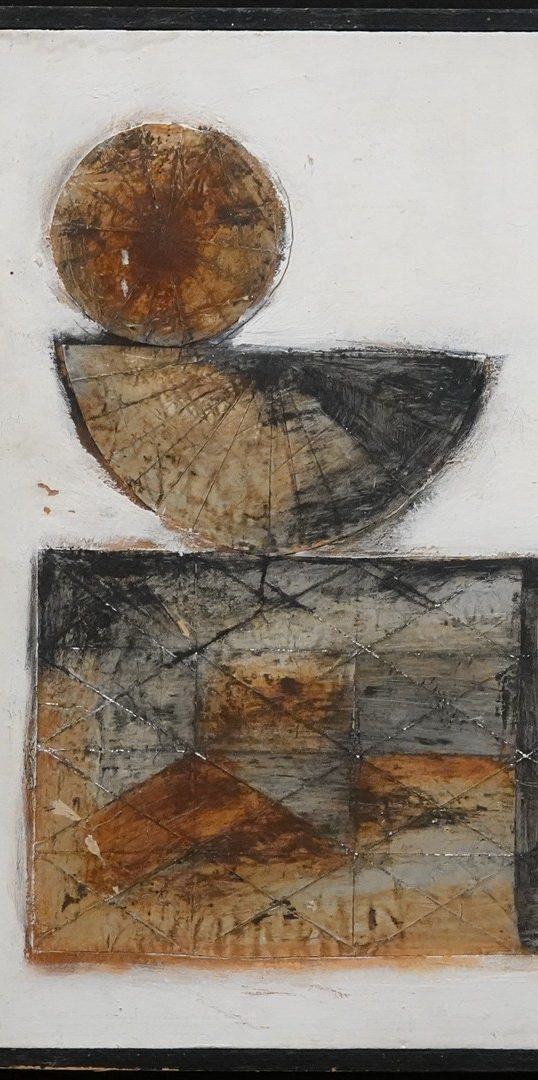
Libbe Venema explored a quiet and contemplative form of abstraction. Her restrained geometric compositions transform modernist form into something intimate and poetic. Within the collection, Venema represents the silent and lyrical side of European postwar abstraction.
Jan de Beus
1958-
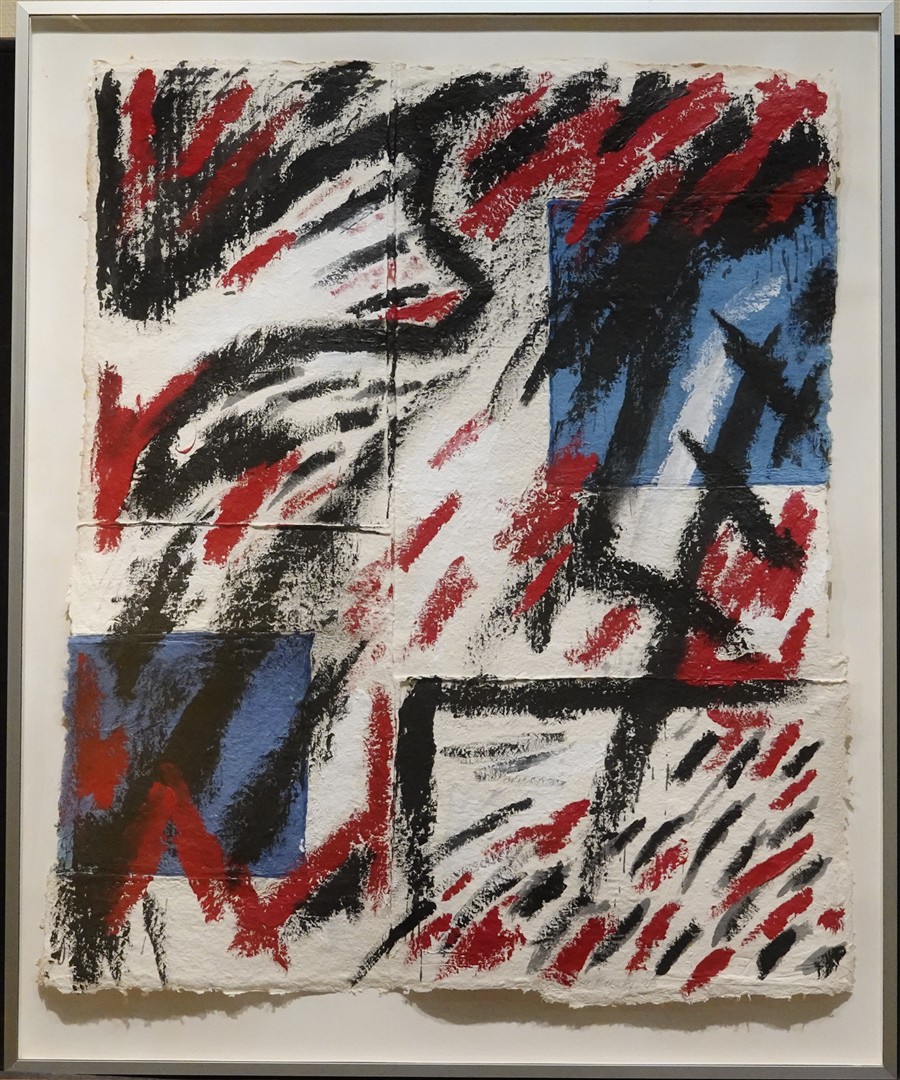
Jan de Beus worked with energetic gestures, fragmented lines and dynamic colour contrasts. His paintings balance spontaneity and structure, echoing both CoBrA and lyrical abstraction. Within the collection, he represents the continuation of modernist experimentation into the late twentieth century.
Bart Peizel
1887-1974
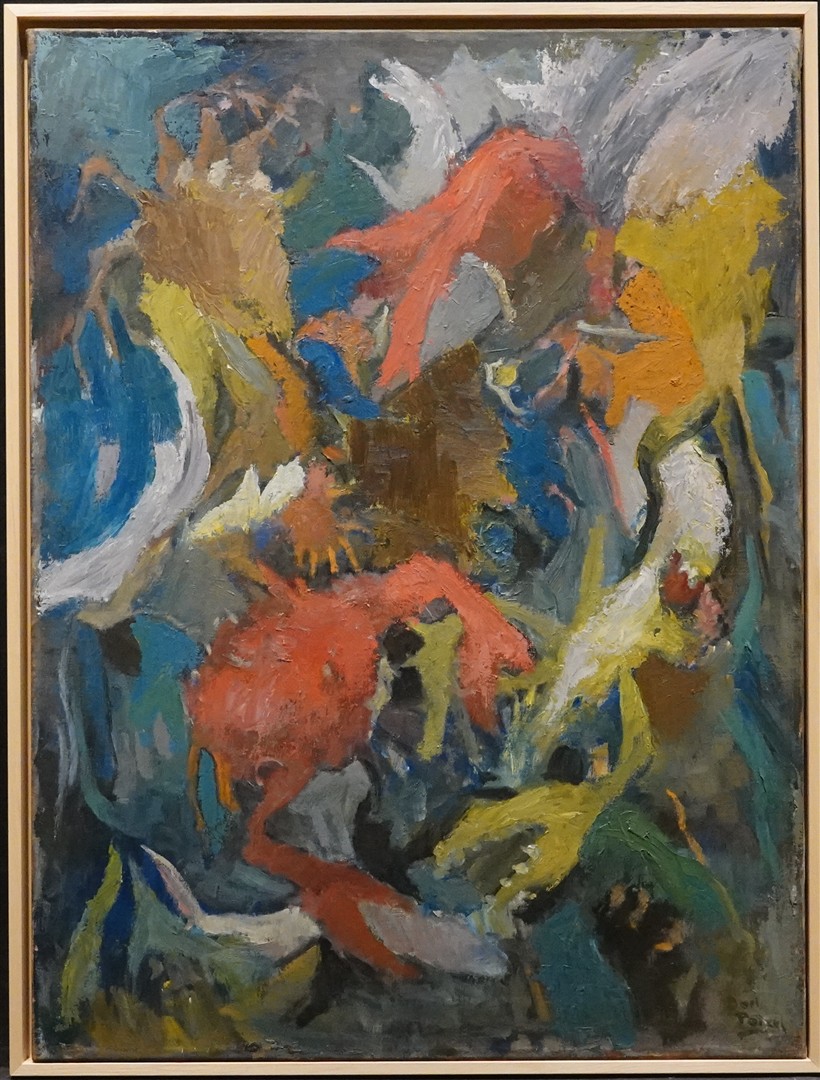
Bart Peizel’s paintings move between abstraction and organic figuration, often resembling dreamlike underwater worlds. His vivid colours and instinctive forms create emotionally charged compositions. Within the collection, Peizel represents an imaginative branch of postwar expressionism.
-
-
-
-
Contemporary & Independent Visions
From Dutch Modernism to undervalued Female Artists
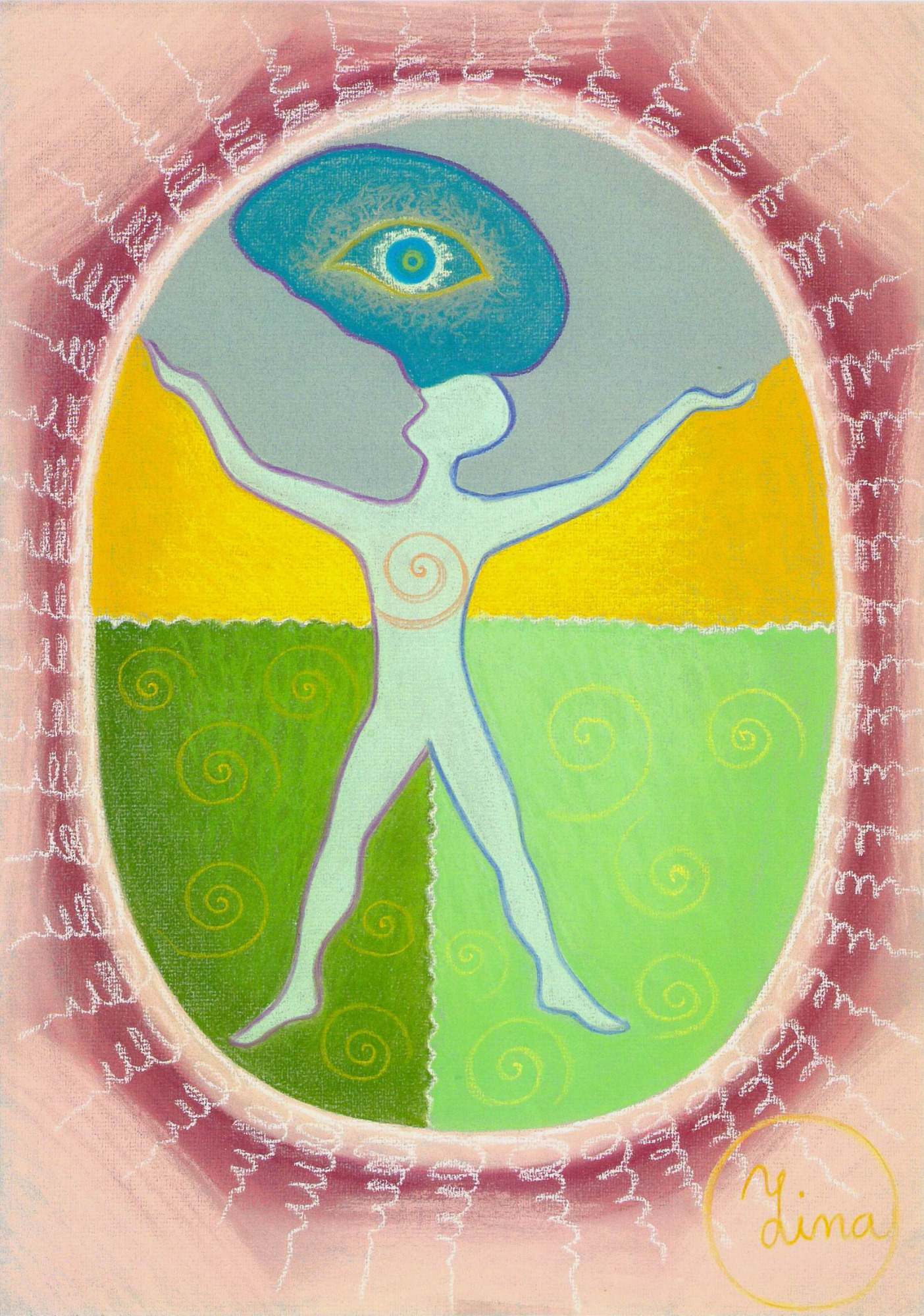
Zina Rajnochová
Czech-Austrian artist working in an esoteric visual language inspired by the legacy of František Kupka.
Combining spiritual themes, automatic drawing and abstract colour fields she explores inner states of consciousness through symbolic composition.
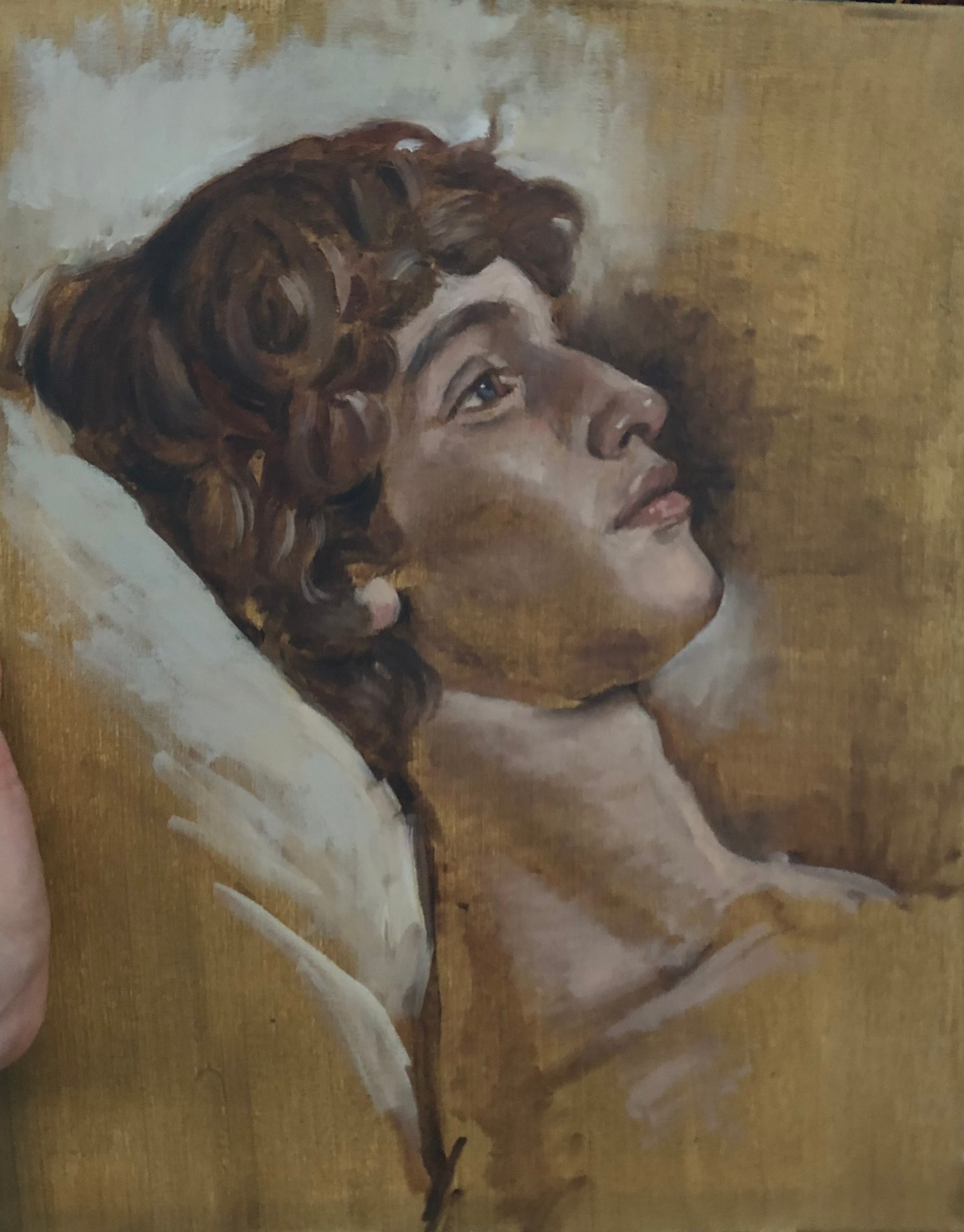
Naruki Kukita
Japanese-born artist (based in New York) whose work blends classical nude painting with manga aesthetics and contemporary cultural references.
His compositions offer a fresh, hybrid visual language of sensuality, identity and cross-cultural dialogue.
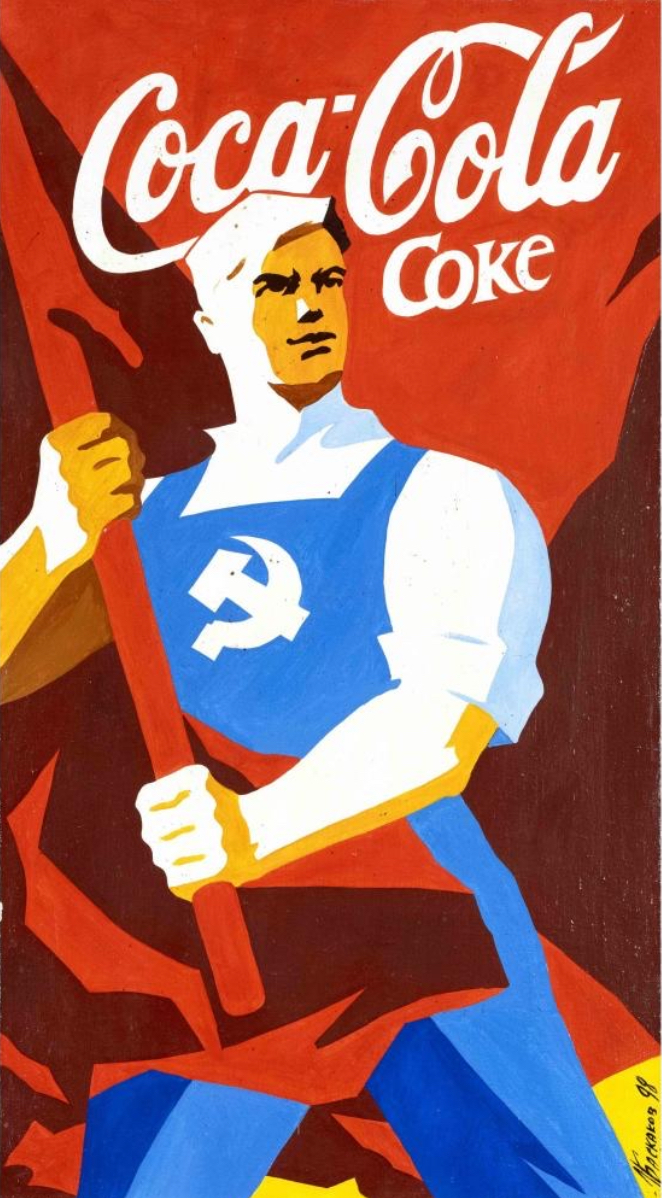
Igor Baskakov
Russian contemporary artist associated with Pop Art.
His work fuses the visual language of Soviet propaganda posters with symbols of Western consumerism, creating striking, ironic compositions that critique capitalism through bold color and graphic precision.
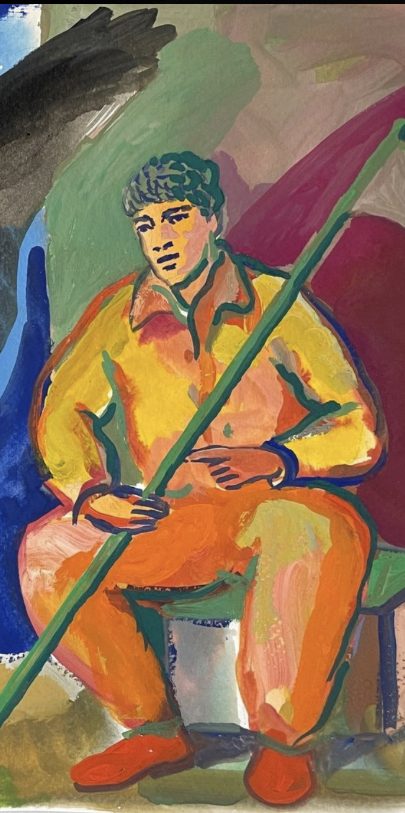
Michael Kirkman
Contemporary Scottish-trained artist (studied at Edinburgh College of Art and Royal College of Art, London) working with painting, linocut and lithography.
His art investigates overlooked moments in time, merging figuration with print-technique and strong compositional clarity.